What Is Linea? ConsenSys zkEVM Guide (2026)
— By AliceOnChain in Tutorials

What is Linea? Our 2026 guide explains the ConsenSys-backed zkEVM, why it matters for Ethereum scaling, and how to start exploring its ecosystem today.
What is Linea? ConsenSys zkEVM Beginner Guide
The Ethereum scaling ecosystem has seen a proliferation of Layer 2 solutions, each aiming to solve the high cost and low speed of the mainnet. However, not all L2s are created equal. If you are asking what is Linea, you are exploring a developer-ready Zero-Knowledge Ethereum Virtual Machine (zkEVM) rollup designed by ConsenSys-the same powerhouse behind MetaMask and Infura.
By mid-2026, Linea has emerged as a cornerstone of the Ethereum landscape, offering a high-throughput environment that is fully compatible with existing Ethereum tools. For the DEXTools community, Linea represents a seamless transition where traders can use their familiar wallets and decentralized applications (dApps) with nearly zero friction, benefiting from the massive scalability of Zero-Knowledge proofs.
The Power of ConsenSys: Why Linea is Different
One cannot understand the network without looking at its architect. ConsenSys is deeply woven into the fabric of Ethereum. By building Linea, they have created a "vertical integration" of the Web3 stack.
Native Integration: Linea is the default L2 for millions of MetaMask users, providing a smooth "one-click" experience for bridging and swapping.
Developer Heritage: Because it was built by the team behind Infura, Linea offers world-class infrastructure for developers, ensuring that dApps are more stable and responsive than on many competing chains.
When beginners ask what is Linea in 2026, the answer is often "the most user-friendly entry point into the world of ZK-Rollups."
Understanding the zkEVM: Scaling without Compromise
The technical "holy grail" of Ethereum scaling is the zkEVM. In the past, ZK-Rollups required developers to learn new, complex programming languages (like Cairo for Starknet). Linea, however, allows developers to use Solidity, the native language of Ethereum.
The protocol works by taking batches of transactions, executing them off-chain, and then generating a Zero-Knowledge proof. This proof is a mathematical certainty that the transactions are valid.
EVM Equivalence: Linea is designed to be bytecode-compatible. This means any dApp on Ethereum can be copy-pasted onto Linea without changing a single line of code.
Validity Proofs: Unlike Optimistic rollups, which have a 7-day waiting period for withdrawals, Linea uses validity proofs that can be verified on Ethereum almost immediately, significantly reducing withdrawal times.
The Linea Ecosystem in 2026: From DeFi to Gaming
By 2026, the project has matured into a diverse ecosystem. It is no longer just a place for simple swaps; it has become a hub for:
Professional DeFi: Protocols like Nile and Lynch have introduced deep liquidity and institutional-grade trading tools.
On-Chain Gaming: Due to its high throughput and low latency, Linea has become a preferred destination for Web3 games that require thousands of micro-transactions.
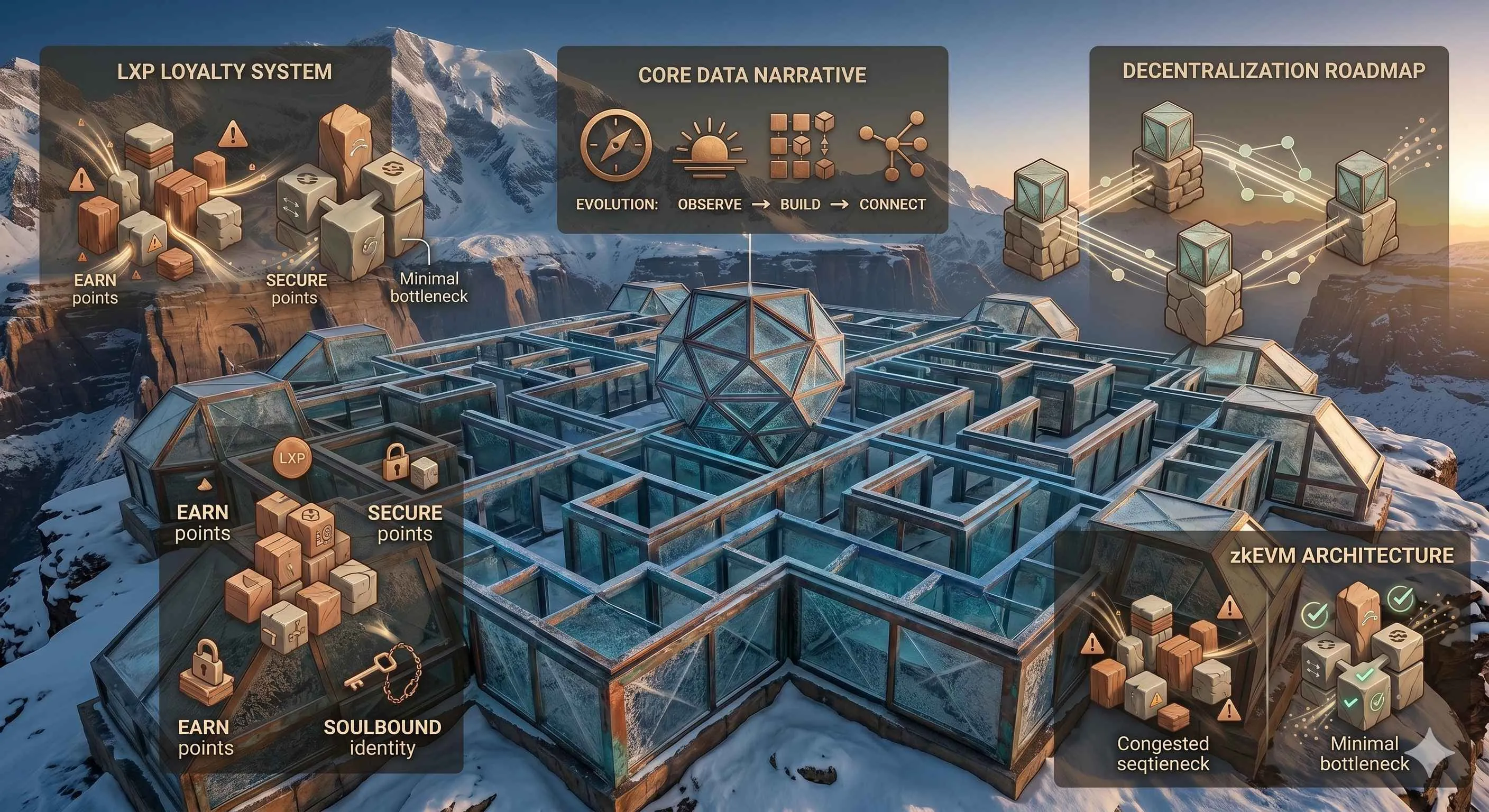
The "Linea Voyage" Legacy: The early community initiatives have evolved into a permanent loyalty program where users earn "LXP" (Linea Build Points) for participating in the ecosystem, which are recorded on-chain as non-transferable soulbound tokens.
On DEXTools, tracking Linea-based tokens has become a standard part of any trader's routine. The "Hot Pairs" list for Linea often features innovative projects that leverage the network's unique ZK-proof efficiency.
The Linea Token and Decentralization Roadmap
A major topic of discussion in 2026 is the LINEA token and the network's path to total decentralization.
Governance and Staking: The token allows the community to vote on protocol upgrades and participate in the decentralized sequencer network, ensuring that no single entity (not even ConsenSys) has total control over the chain.
Fee Structure: While ETH remains the primary gas token, the LINEA token plays a critical role in the security and incentive alignment of the "Provers" who generate the ZK-proofs.
For a beginner, the process of entering the ecosystem is intentionally simple. Because it is a ConsenSys product, the barriers to entry are lower than almost any other L2.
Set Up MetaMask: If you have MetaMask, you already have access to Linea. You simply need to select the network from the dropdown menu.
Bridge Your Assets: Use the official Linea Bridge to move ETH from the Ethereum mainnet. In 2026, the bridge has been optimized to be extremely gas-efficient.
Explore dApps: Once your funds arrive, you can visit decentralized exchanges, NFT marketplaces, and social protocols.
Track with DEXTools: Use the DEXTools Pair Explorer to monitor your favorite Linea tokens, check liquidity, and ensure you are trading on verified pairs.
Security: The ConsenSys Shield
When exploring what is Linea, security is the most frequent concern. Linea benefits from a "multi-prover" system in 2026, which adds layers of redundancy to the ZK-proof generation.
Ethereum Security: Ultimately, Linea is as secure as Ethereum. If the Linea network were to ever go offline, users could still recover their funds from the Ethereum L1 using the published data.
ConsenSys Audits: Being a corporate-backed project, Linea undergoes some of the most rigorous security audits in the industry, making it a "low-risk" choice for conservative DeFi participants.
Conclusion
Understanding what is Linea means recognizing the power of combining institutional-grade development with the cutting-edge math of Zero-Knowledge proofs. By maintaining full EVM compatibility and integrating deeply with the tools users already love, Linea has removed the friction from Ethereum scaling. As we progress through 2026, Linea stands as a testament to how modularity and ZK-technology can work together to create a world that is decentralized, secure, and incredibly fast. For anyone looking to explore the future of Ethereum, Linea is not just an option; it is a necessity.
How to Bridge Crypto Between Chains: Complete Cross-Chain Tutorial 2026How to Use 1inch: Complete DEX Aggregator Swap Tutorial (2026)
How to Use OKX Web3 Wallet: Multi-Chain DeFi Hub Guide (2026)
Disclaimer: This article is for informational purposes only and does not constitute investment advice, financial advice, trading advice, or any other kind of advice. DEXTools does not recommend buying, selling, or holding any cryptocurrency or token. Users should conduct their own research and consult with a qualified financial advisor before making any investment decisions. Cryptocurrency investments are volatile and high-risk. DEXTools is not responsible for any losses incurred.
Related Guides
- zkEVM Types Compared: Polygon vs zkSync vs Scroll 2026
- What Is Taiko? Type 1 ZK EVM Ethereum Equivalent L2 Guide 2026
- What Is Scroll? Bytecode zkEVM Explained 2026
- What is Polygon zkEVM? Architecture and Use Cases (2026)
Frequently Asked Questions
What is Linea and how does it work?
Linea is a developer-ready Zero-Knowledge Ethereum Virtual Machine (zkEVM) rollup created by ConsenSys, designed to enhance Ethereum's scalability.
How does Linea differ from other Layer 2 solutions?
Unlike many other Layer 2 solutions, Linea is fully compatible with existing Ethereum tools and allows developers to use Solidity, making it more accessible.
What benefits does the LINEA token provide?
The LINEA token enables community governance, allowing users to vote on protocol upgrades and participate in the decentralized sequencer network.
How can beginners get started with Linea?
Beginners can easily access Linea by setting up MetaMask and selecting the Linea network from the dropdown menu. They can then use the official Linea Bridge to transfer ETH from the Ethereum mainnet and explore various decentralized applications.
What security measures does Linea have in place?
Linea employs a multi-prover system that enhances the redundancy of ZK-proof generation, ensuring higher security. Additionally, it benefits from the robust security of the Ethereum network and undergoes rigorous audits by ConsenSys.